Solar Glossary for Homeowners
Learn the key terms before talking to an installer. Knowing these will help you ask the right questions and avoid overpaying.
Equipment
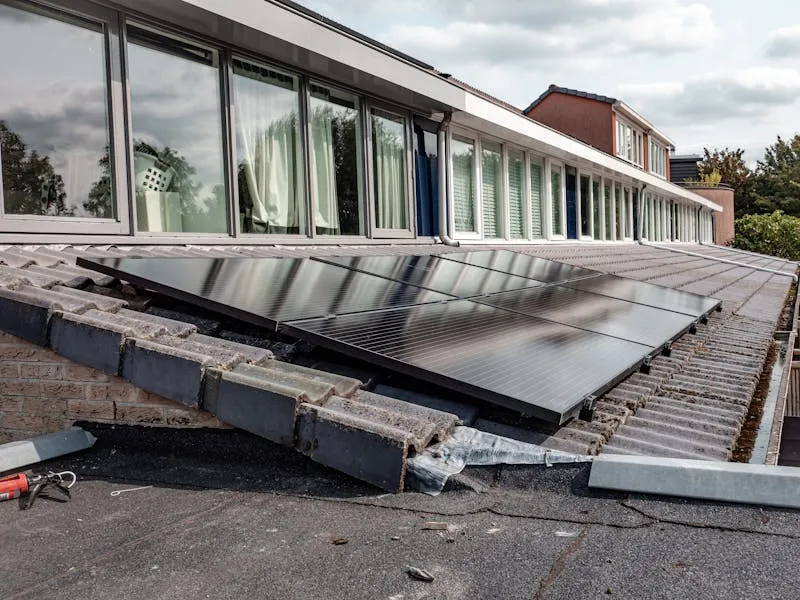
Solar Panel (PV Module)
Converts sunlight into electricity. Made of silicon cells behind tempered glass. Most residential panels in the Philippines are 400W-600W each. Typical lifespan: 25-30 years with minimal degradation. Bifacial panels, which capture light on both sides, are now the recommended choice — they produce 5-15% more energy by absorbing reflected light from your roof surface, and the price premium has largely disappeared.
Typical PH price: P8,000-P15,000 per panel depending on brand and wattage. Common brands: Longi, JA Solar, Canadian Solar, Trina Solar.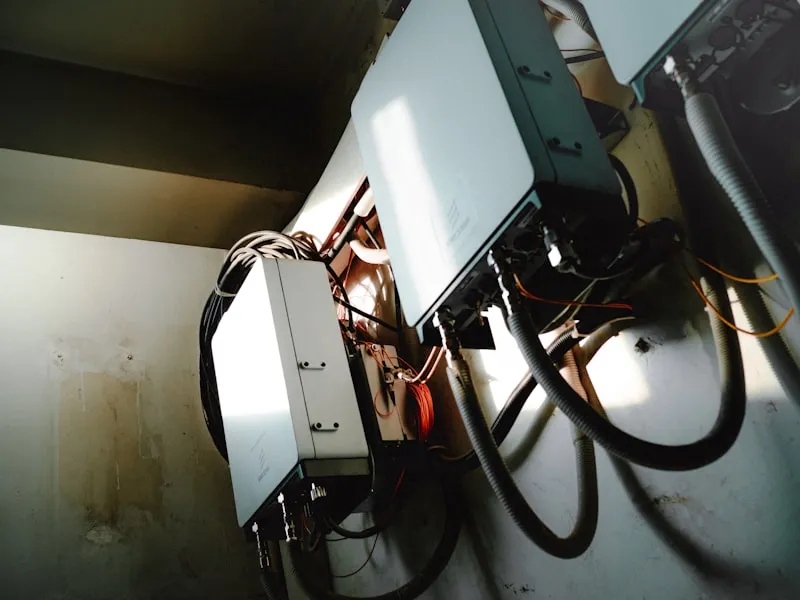
Inverter
Converts the DC (direct current) electricity from your panels into AC (alternating current) that your home appliances use. This is the brain of the system. String inverters handle all panels together; microinverters handle one panel each.
Typical PH price: P25,000-P60,000 for string inverters. Brands: Growatt, Deye, Sungrow, Huawei. Warranty: 5-10 years (shorter than panels, so ask about this).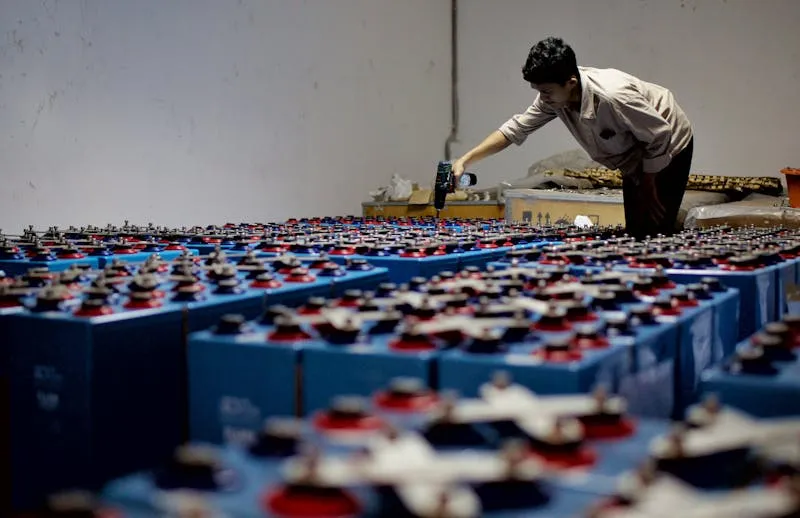
Battery Storage
Stores excess solar energy for use at night or during outages. Lithium iron phosphate (LFP) batteries are the current standard for safety and lifespan. Not required for grid-tied systems but useful if you experience frequent brownouts.
Typical PH price: P80,000-P200,000 for 5-10 kWh. Adds 30-50% to system cost. Only worth it if you have frequent outages or very high time-of-use rates.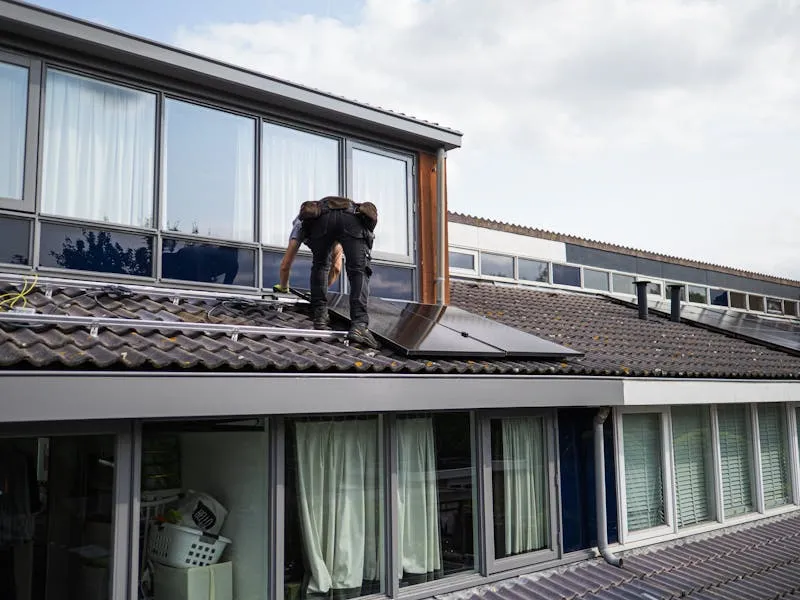
Mounting / Racking
The aluminum or steel frame that holds panels on your roof. Quality mounting is critical in the Philippines due to typhoons. Ask your installer about wind load ratings. Stainless steel bolts, not galvanized.
Included in installation cost. Flush mounts (flat to roof) are most common. Tilted mounts add cost but improve output if your roof faces the wrong direction.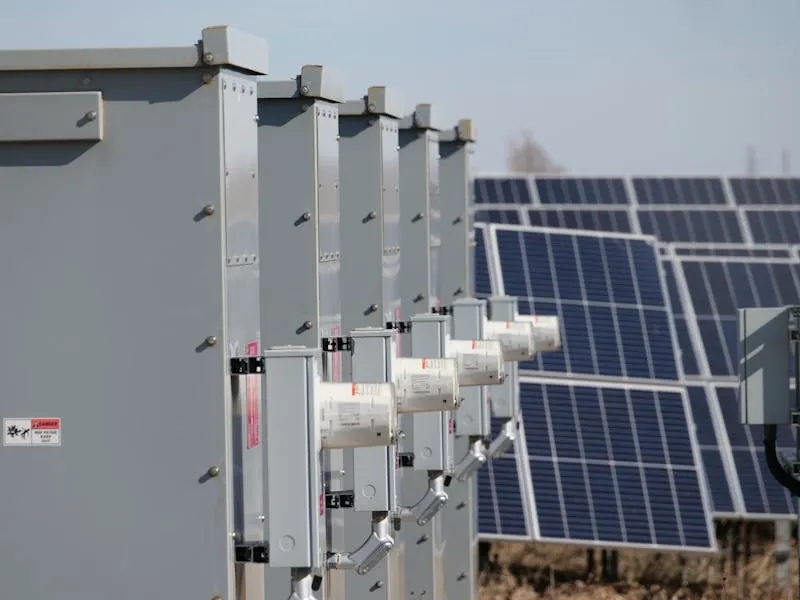
BOS (Balance of System)
Everything besides panels and inverter: wiring, breakers, junction boxes, conduit, grounding, surge protection, and the DC disconnect. Cheap BOS is where cut-rate installers save money. Insist on proper gauge wiring and a clearly labeled disconnect.
Typically 15-25% of total system cost. Non-negotiable safety components. If an installer skips the surge protector or undersizes the wire, walk away.System Types
Grid-Tied (On-Grid)
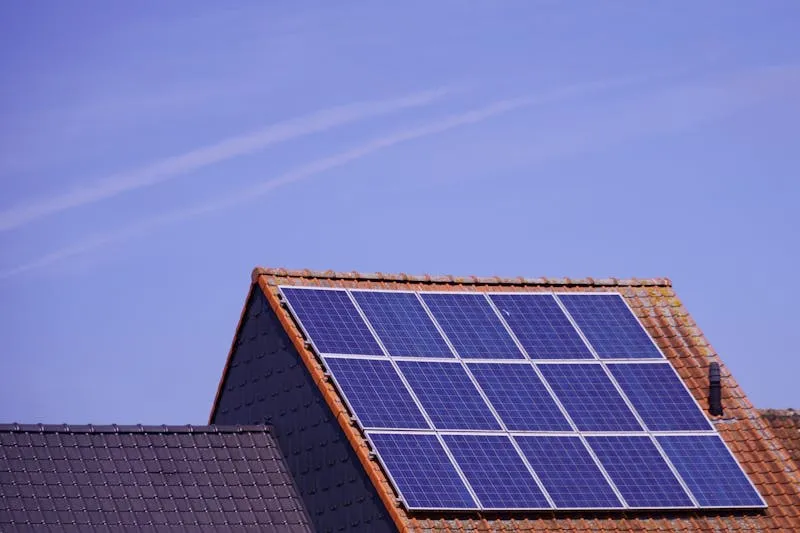
The most common and cheapest type. Your panels connect to the grid through your inverter. Excess power is exported to Meralco/VECO for credits. No battery needed. If the grid goes down, your system also shuts off (for safety of linemen).
Best for: most PH homeowners. Lowest cost per kW. You only lose power when the grid is down, which a battery can solve if needed.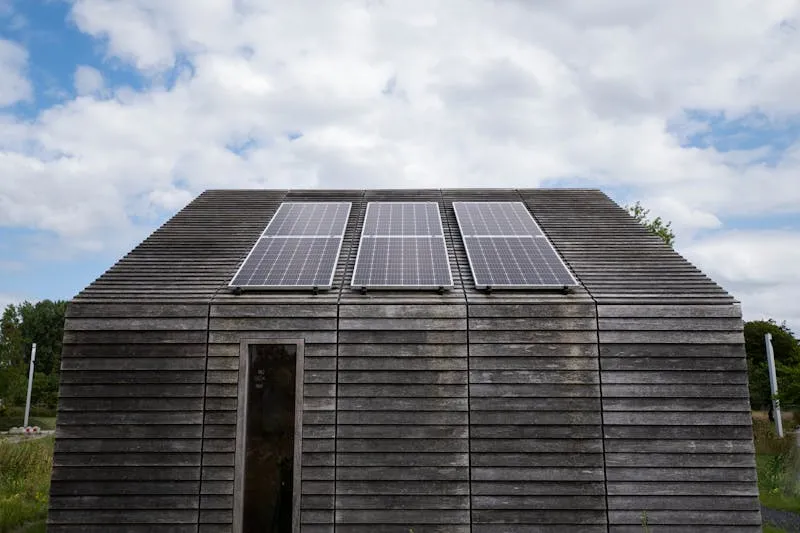
Hybrid System
A grid-tied system plus a battery. Your inverter can work with both the grid and the battery. During outages, the battery powers essential loads. During normal times, it works like a grid-tied system.
Costs 30-50% more than pure grid-tied. Worth it if you have frequent brownouts or want backup for a ref, WiFi router, and lights. The inverter must be a hybrid type (not all are).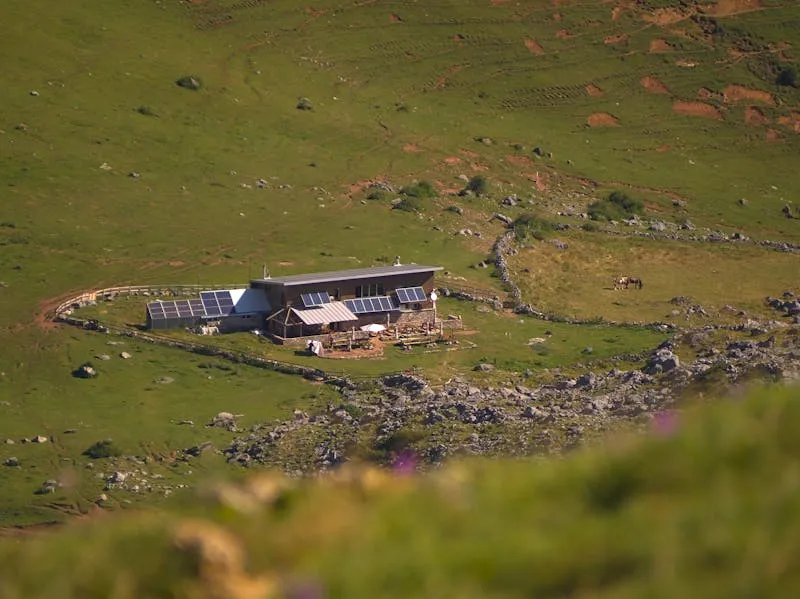
Off-Grid
Completely independent from the grid. Requires a large battery bank and a backup generator for extended cloudy days. Much more expensive and complex. Almost never the right choice for urban PH homeowners who have reliable grid access.
2-3x the cost of grid-tied for the same capacity. Only makes sense for remote areas with no grid connection (farm, island, mountain).Measurements
kWp (Kilowatt-peak)
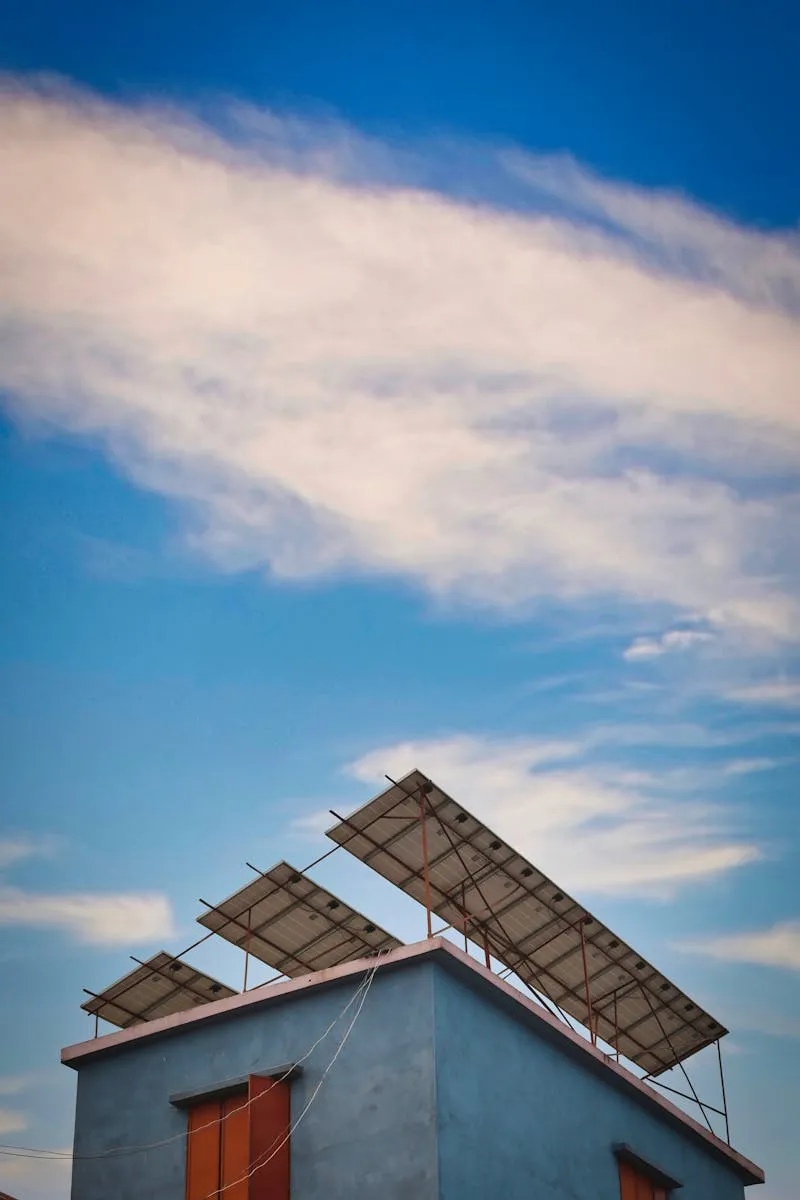
The maximum power output of your solar system under ideal test conditions (full sun, 25 degrees C panel temp). A 3 kWp system has 3,000 watts of panel capacity. This is how systems are sized and quoted.
In the Philippines, 1 kWp typically produces 100-120 kWh per month, depending on location and roof orientation. Metro Manila averages about 4.5 peak sun hours per day.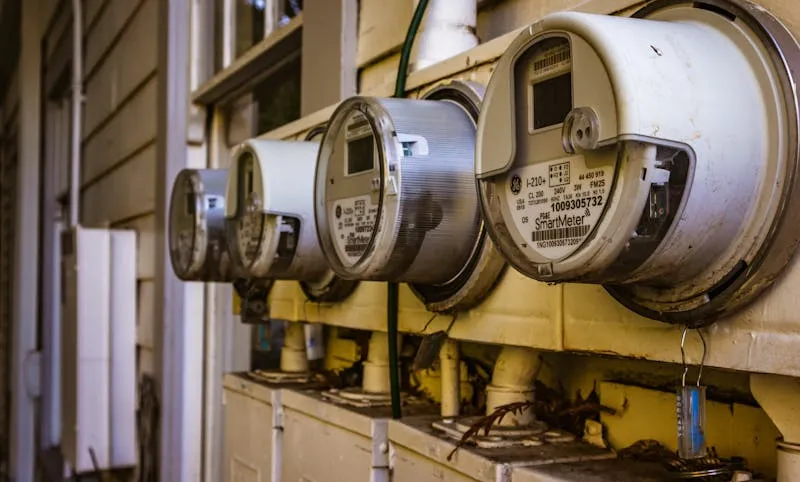
kWh (Kilowatt-hour)
A unit of energy, and what Meralco bills you for. If a 1,000W aircon runs for 1 hour, it uses 1 kWh. Your monthly bill shows total kWh consumed. This is the number you need to size your solar system.
Check your Meralco bill: the line item 'kWh consumed' is what matters. Average PH household: 200-300 kWh/month. Homes with aircon: 400-800+ kWh/month.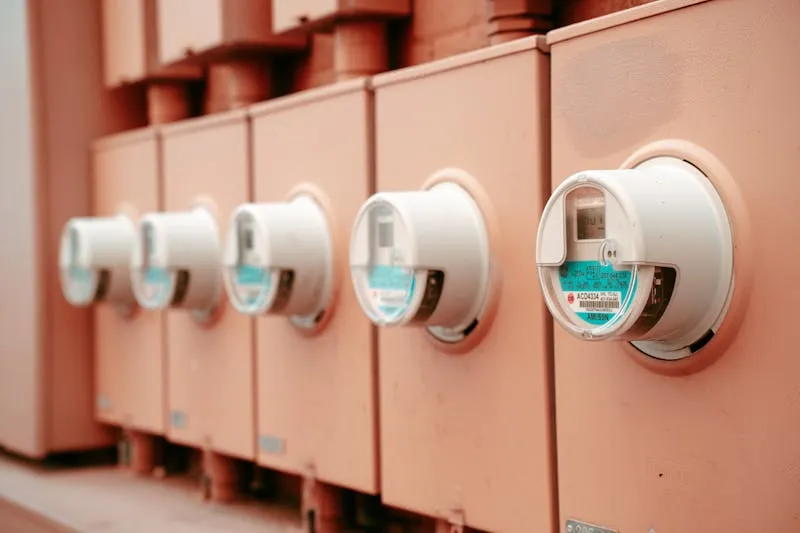
Net Metering
A billing arrangement where excess solar power you export to the grid earns you credits on your next bill. Mandated by RA 9513 (Renewable Energy Act). All Philippine distribution utilities must offer it.
You apply through your utility (Meralco, VECO, etc.). DOE mandates processing within 10 business days. The credit rate is typically the blended generation rate, not the full retail rate. Still very much worth it.
ROI / Payback Period
How long until your electricity savings pay back the cost of the system. After that, your power is essentially free for the remaining 20+ years of panel life.
Typical PH payback: 4-7 years depending on system size, electricity rate, and financing. Higher Meralco rates = faster payback. A system that saves P5,000/month on a P300,000 investment pays back in 5 years.Financial Terms

Cost per kW (PHP/kWp)
The standard way to compare installer quotes. Divide the total project cost by the system size in kWp. This lets you compare apples to apples between different proposals.
PH market rate (2026): P35,000-P50,000 per kWp fully installed. Below P30,000 = likely cutting corners. Above P55,000 = likely overcharging. Always ask what is included (panels, inverter, mounting, installation, permits, net metering application).
Solar Financing / Loans
Some banks and solar companies offer installment plans so you can go solar with zero or low upfront cost. Your monthly loan payment should be less than your current electricity bill for it to make financial sense.
Options: bank loans (BDO, BPI, UnionBank have green loan products), solar company financing (Solaric, SunPower), or government programs. Compare the total cost of financing vs. cash price. Ask about early payoff penalties.Red Flags to Watch For
- No written warranty — panels should have 25-year performance warranty, inverter 5-10 years. Get it in writing.
- Unknown panel brands — if you cannot find the brand on Google, skip it. Stick with Tier 1 manufacturers.
- No site visit — any installer who quotes without visiting your roof is guessing. Roof condition, shading, and wiring all matter.
- Pressure to buy today — legitimate installers do not pressure you. If they say the price expires tomorrow, it does not.
- Unrealistic savings claims — if they promise total bill elimination or 2-year payback, they are inflating numbers.
- No net metering help — a good installer handles the net metering application with your utility. If they leave it to you, reconsider.
- Skipping permits — solar installations require an electrical permit and interconnection agreement. No permits means no insurance coverage.
- Quoting only panel wattage — a 5 kW system with a cheap inverter and thin wiring will underperform. Ask about ALL components.
Still have questions? Take our free assessment and we will help you understand what solar system fits your home and budget.